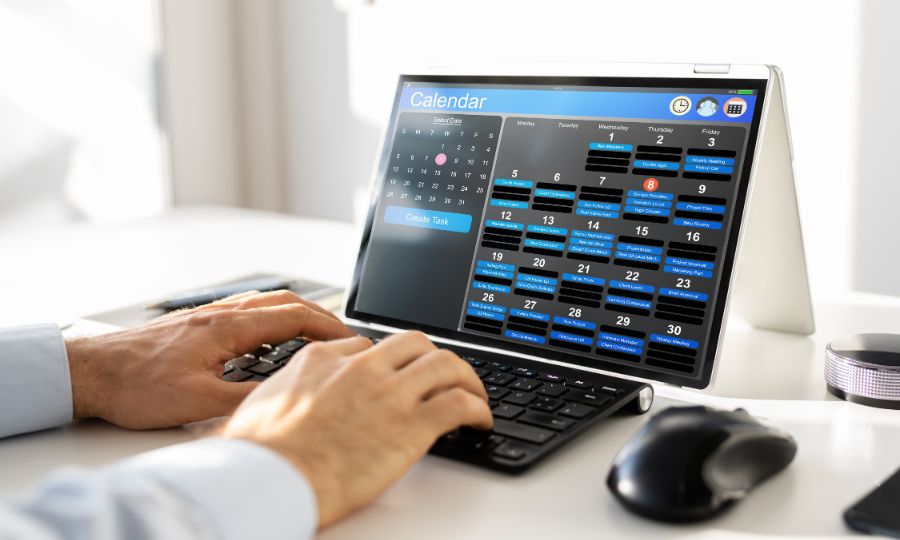

Burnout rarely appears all at once—this is a reality most of us have experience at one point in our practice. It shows up first as overloaded weeks, compressed deadlines, and schedules packed too tightly to absorb real work. For accounting firms, the calendar often reveals strain before performance, morale, or quality begin to slip.
In this article, we’ll break down how boundary-setting, buffer time, and thoughtful workflow pacing turn time planning into a safeguard against chronic overload.
Back-to-back meetings and reactive client calls can quietly undermine boundary setting for accountants. For example, your firm can block two mornings each week strictly for review work—no calls and no internal meetings. This approach strengthens calendar management for accountants, protects deep focus, and supports more sustainable accounting operations by making capacity planning visible to the entire team.
Accounting workflows rarely unfold exactly as planned. Building some in-between time into accounting workflows—such as leaving 15–30 minutes between close tasks or review blocks—gives teams space to handle missing documents or follow-up questions. This margin does a multitude of things, from preventing small delays from cascading and supporting workflow pacing for accounting teams, to strengthening capacity planning across peak periods.
Decision fatigue often comes from how work is sequenced. One way to counter this is to batch similar work into focused blocks, so attention lasts longer and judgment stays sharper. For example, you might choose to schedule all transaction reviews on set afternoons and handle client messages in a separate daily window. Over time, teams move faster through work because attention stays intact and decisions feel easier to make.
When work is visible inside a practice management tool, capacity planning becomes much more realistic. For example, a manager reviewing upcoming close work can see assigned owners and overlapping deadlines in one view. This shared visibility allows proper adjustments to be done long before overload builds. Aside from this, it helps teams redistribute work earlier instead of reacting late.
Sustainable calendars rely on systems that mirror real work patterns. The right practice infrastructure keeps priorities visible and communication contained. Client Hub helps accounting teams reinforce these these habits inside their daily flow, so pacing holds over time and growth feels steadier instead of heavier.

.svg)


.svg)
